
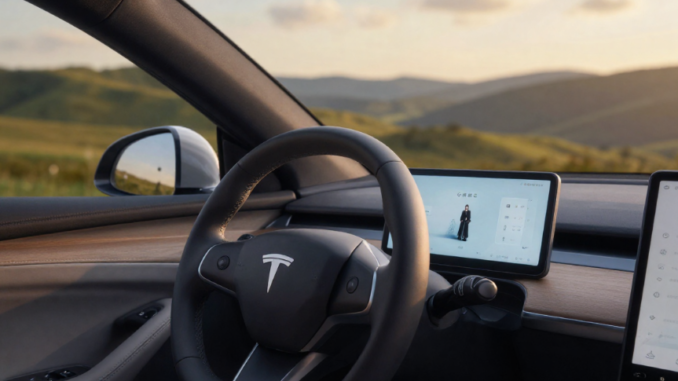
Imagine cruising down the highway without touching the wheel, your car humming on electric power alone. The old gas-guzzling engines that powered our grandparents’ rides? They’re fading fast. Right now, in 2026, the auto world sits at a turning point. Electric vehicles, or EVs, zap away at fossil fuels. Smart AI keeps eyes on the road. Autonomous tech promises hands-free trips. Together, they flip how we move, from city streets to daily commutes. This shift hits roads, cities, and even your wallet hard. We’ll unpack these big changes and what they mean for you.
The Electric Revolution: Beyond the Hype Cycle
Electric cars aren’t just a trend anymore. Sales hit over 14 million worldwide in 2025, up 20% from the year before. Yet hurdles like cost and charging spots slow things down. Still, tech pushes forward, making EVs a real choice for most folks.
Battery Technology Breakthroughs and Range Anxiety
Solid-state batteries change the game. They pack more power into smaller spaces, boosting energy density by 50% over old lithium-ion types. This means cars go farther on one charge—think 500 miles easy, matching gas cars without the refill stops. Range worry? It’s shrinking quick. Tesla’s latest models hit 400 miles, and rivals like Ford chase close. Adoption grows too; in the U.S., EVs make up 10% of new sales. You won’t sweat long trips as much soon.
- Key perks: Faster charging times drop to 15 minutes for 200 miles.
- Drawbacks: Upfront prices hover around $40,000, though they fall yearly.
- Future win: By 2030, expect 600-mile ranges standard.
Charging Infrastructure Evolution
Fast chargers pop up everywhere. Tesla’s Supercharger network spans 50,000 spots globally, open to all brands now. The CCS standard expands too, with Electrify America adding 1,000 stations in 2025 alone. Home setups get smarter—Level 2 chargers plug into your garage overnight. But the power grid strains under the load. Vehicle-to-grid tech lets your car feed power back during peaks, easing blackouts. Imagine your EV as a home battery. Cities plan for this, wiring streets for quick plugs.
This buildout matters. Rural areas lag, but apps like PlugShare map spots easy. No more hunting for juice mid-road trip.
The Economics of EV Ownership
EVs save cash long-term. Total cost of ownership beats gas cars by 20-30% over five years. Fuel? Electricity runs $0.04 per mile versus $0.15 for gas. Maintenance drops too—no oil changes, fewer brake fixes from regen braking. Add tax credits up to $7,500 in the U.S., and the math flips. A Chevy Bolt costs less to run than a similar Honda Civic. Insurance might rise a bit for repairs, but incentives balance it.
Think about your drive. If you log 12,000 miles a year, you pocket $1,000 extra. Resale values hold strong too, with EVs losing just 40% value after three years. Smart buy if you plan ahead.
Artificial Intelligence: The Brain Behind the Wheel
AI turns cars into thinking machines. It chews through data from sensors, spots risks, and tweaks rides on the fly. Forget basic cruise control—this stuff learns your habits. Even without full self-drive, AI makes driving safer and fun.
Perception Systems: Seeing the Road with AI
Machine learning eyes the world through LiDAR, radar, and cameras. It spots a kid darting out or a slick patch ahead. Take GM’s Super Cruise: it steers, brakes, and signals on highways using AI to read lane marks. No hands needed for hours. This cuts accidents by 40%, per studies. AI fuses inputs for a full picture, like your brain piecing a puzzle.
Why does this rock? Humans miss 30% of road cues from fatigue. AI doesn’t blink. In rain or fog, it shines brighter.
Predictive Maintenance and Vehicle Health Monitoring
AI watches parts wear in real time. Sensors track brakes and tires, flagging issues before breakdowns. Ford’s system texts you about low coolant days early. This shifts fixes from surprise to planned. Shops save time; you avoid tows. Data shows it cuts repair costs 25%.
Picture this: Your dash lights up with “Tire rotation soon.” No guesswork. AI learns from millions of miles, spotting patterns we miss.
Personalized Cabin Experiences
AI tunes your drive just right. It adjusts AC based on your temp prefs or routes music to your mood. Driver monitoring cams catch yawns, buzzing you awake. BMW’s setup learns routes, skipping traffic snarls. Distraction? It pulls over safe.
This feels like a co-pilot buddy. Kids in back get kid shows; you get podcasts. Comfort jumps, stress drops. Who wouldn’t want a car that knows you?
The Road to Full Autonomy: Levels and Lags
Self-driving cars tease a world without traffic jams. But we’re not there yet. SAE levels guide the path—from basic aids to robot taxis. Level 2 rules consumer rides now; Level 4 tests in spots. Challenges like bad weather slow the roll.
Differentiating ADAS (L2/L3) from True Autonomy (L4/L5)
Level 2 systems, like Tesla Autopilot, handle steering and speed. You stay alert, hands near wheel. Level 3 adds conditional autonomy—car drives in traffic, but hands back if needed. True autonomy at Level 4 means no driver in set zones, like city robot cabs. Level 5? Anywhere, anytime, no pedals.
Handover rules key. In L2 crashes, blame falls on you. L4 shifts to makers. Regs tighten; EU mandates L3 by 2027. U.S. states test pilots. It’s a step-by-step climb.
Mapping, Sensor Fusion, and Redundancy
High-def maps plot every curb and sign. AI blends sensor data for backups—if one fails, others kick in. This handles wild cards like construction or deer jumps. Waymo’s fleet logs 20 million miles, refining fusion.
Edge cases test limits. Snow hides lines? Radar steps up. Redundancy means dual computers, no single fail point. Progress feels steady, but full trust takes time.
The Ethical and Liability Quandaries of Self-Driving
Who picks in a crash—swerve to save pedestrian or guard passengers? AI codes wrestle this. Public chats heat up; polls show 60% fear hacks or bad calls. Liability? Makers face suits now, like Uber’s 2018 fatal test.
Pilots help. Waymo runs driverless in Phoenix; Cruise tests in San Francisco. Lessons shape laws. Ethics push for clear rules. Tough spot, but needed for safe rollouts.
Transforming the Automotive Ecosystem
These techs shake more than cars. Cities rethink streets; jobs shift gears. Energy use flips, supply chains scramble. The old auto world crumbles for something fresh.
Mobility-as-a-Service (MaaS) and Fleet Management
Forget owning—subscribe to rides. Autonomous EV fleets cut costs 50% for Uber-like shares. Efficiency soars; one car serves 10 folks daily. Last-mile bots deliver groceries door-side.
This kills parking lots. You hail a pod via app, zip to work. Gains? Less pollution, more green space. Ride-share booms, ownership dips 30% by 2030.
Urban Infrastructure Redesign
Smart signals talk to cars via V2I, smoothing flow. Congestion drops 20%. Parking? Underground or gone—autonomous cars circle till needed. Streets widen for bikes, peds.
Cities like Singapore test this. Traffic lights green for EV packs. Models predict 15% less fuel waste. Your commute shortens; air clears.
Skills Gap and Workforce Retraining
Auto jobs change fast. Mechanics learn software; factories need coders. Demand for AI pros jumps 40%. Pivot tip: Grab online courses in EV repair or data analysis. Community colleges offer quick certs.
Old line workers? Retrain for battery assembly. It’s a fresh start. Stay sharp—update skills yearly. Future-proof your career now.
Conclusion: Navigating the Next Decade of Driving
Electrification pairs with smarts for a total overhaul. EVs charge ahead, AI sharpens focus, autonomy frees hands. Near term, grab advanced ADAS and plug-in rides for daily wins. Long haul, MaaS redefines freedom on wheels.
You’ll gain safer trips, lower bills, cleaner air. But hurdles like ethics and grids demand fixes. Picture zipping through smart cities, car as quiet partner. The road ahead excites—buckle up for change. What EV will you test drive first?
Leave a Reply